
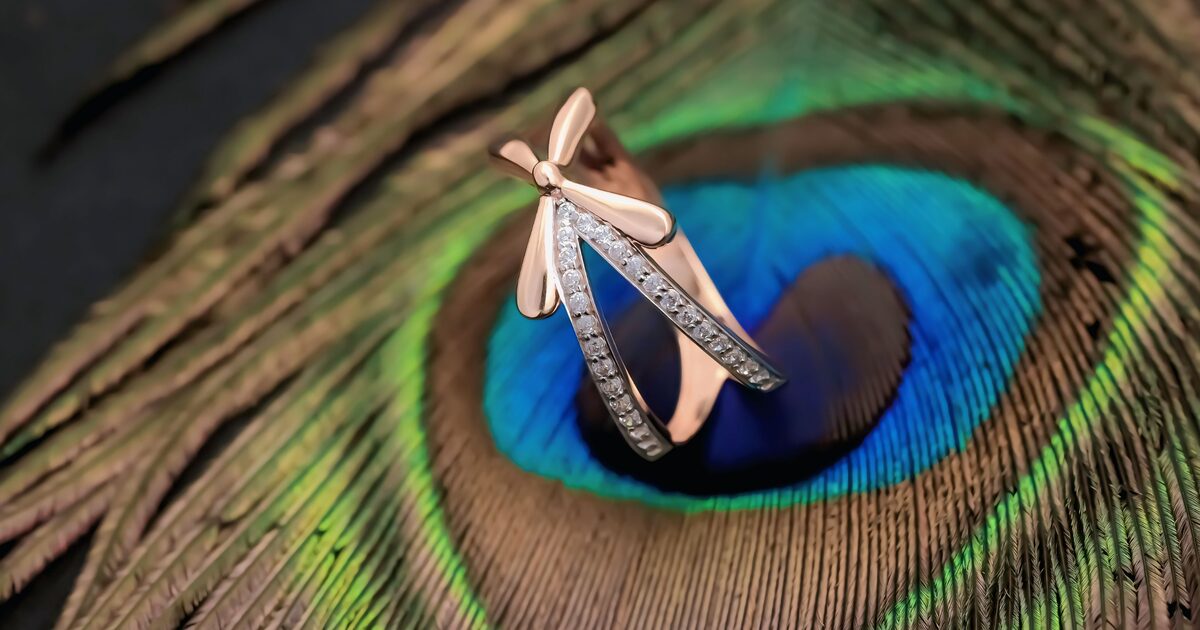
Two rings, one warm yellow and one soft pink, both stamped 14K, and the recurring question is whether the color means one is worth more than the other. It is one of the most persistent myths in jewelry, and the answer is refreshingly simple once you know where a gold ring’s value actually lives. In the rose gold vs yellow gold debate, color is a styling choice, not a purity difference.
At equal karat, rose gold and yellow gold contain exactly the same amount of pure gold and therefore carry the same intrinsic melt value. Rose gold gets its blush from a higher proportion of copper in the alloy; yellow gold uses a more balanced mix of silver and copper. The gold fraction is set by the karat number alone, so a 14K rose piece and a 14K yellow piece are equally “gold.”
Here is why that is true, what the stamps confirm, and where the two colors genuinely do differ.
Why does gold come in different colors at all?
Pure 24K gold is always the same warm yellow, and it is too soft to hold a setting or survive daily wear. Jewelers alloy it with other metals both to harden it and to shift its color. The mix of those added metals decides the hue:
- Yellow gold blends gold with roughly balanced amounts of silver and copper, keeping a color close to natural gold.
- Rose, pink, and red gold raise the copper share. Copper is reddish, so the more of it in the alloy, the redder the metal. Rose is gentler, red gold is the deepest, and the difference between them is simply how much copper the recipe uses.
- White gold replaces the warm metals with white ones such as nickel or palladium, and is usually rhodium plated for a bright finish, so it behaves differently again from the two warm colors.
The key idea is that color comes from the non-gold part of the alloy. It tells you nothing about how much gold is present.
What the karat stamp actually settles
Karat measures the gold content of an alloy in twenty-fourths, so 24K is pure gold and 14K is 14 parts gold to 10 parts other metals. Under the FTC Jewelry Guides, that karat mark is a regulated claim about fineness, the fraction of pure gold, and it applies regardless of color.
This is where the myth dies. A 14K stamp means 58.5 percent pure gold whether the piece is yellow, rose, or white, which is exactly why both are also stamped 585, the parts-per-thousand version of the same figure. An 18K piece is 75 percent gold, stamped 750, in any color. So when you see two rings marked 14K, one rose and one yellow, they hold identical pure-gold content. The remaining roughly 41.5 percent is where they differ: more copper in the rose, more silver in the yellow. Because copper and silver are inexpensive next to gold, that difference barely moves the melt math.
If you want to confirm the karat rather than trust the color, the checks in how to tell if gold is real apply identically to both hues, and it is worth knowing that a color name on a receipt is not a fineness guarantee. A rose-colored piece can still be gold plated or gold filled, distinctions we lay out in gold filled vs gold plated; rose plating over brass is common in fashion jewelry and holds essentially no gold at all.
Rose gold vs yellow gold: is one worth more?
For intrinsic metal value, no. Melt value is the piece’s weight times its gold fraction times the current gold price, and since the gold fraction is fixed by karat, a 14K rose ring and a 14K yellow ring of the same weight melt to the same number. The extra copper in rose gold does not add value; copper is a base metal worth a tiny fraction of gold per gram. Anyone who tells you rose gold is “worth more because it is rarer” is confusing fashion demand with metal content.
That said, two honest qualifiers keep this from being the whole story:
- Resale as jewelry can swing with fashion. When a color is trendy, finished pieces in that hue may fetch more from buyers who want the look, and when it falls out of style they may fetch less. That is demand for the object, not for the gold, and it moves in both directions over time. What drives that object value, maker, design, era, and condition, is the subject of what makes jewelry worth more.
- Melt is the floor, not the ceiling. For a plain band, melt is close to the whole story. For a signed, antique, or beautifully made piece, the design can carry it well above melt in either color.
So the fair summary is that at equal karat the two colors share the same intrinsic value, while their resale as finished jewelry depends on the piece and the moment, not on the metal being pinker.
Do rose and yellow gold differ in durability?
A little, and rarely enough to matter. Copper is a hard metal, so rose gold alloys tend to be marginally harder and can resist small dents and scratches slightly better than yellow gold of the same karat. The trade-off is that high-copper alloys can develop a subtle darker patina over long periods and may bother wearers with a copper or nickel sensitivity. In normal wear these differences are minor, and both colors are durable enough for everyday rings.
One color-related limit is worth knowing: because rose gold depends on a copper-rich recipe, the reddest shades appear at lower karats where there is more room for copper. As karat rises toward 22K and 24K, there is less non-gold metal available, so very high-karat gold trends yellow and a deep red gold at those purities is not really possible. That is another reminder that color and karat are separate dials.
The practical takeaway
Read the karat stamp, not the color, to judge gold content, and treat the hue as a style decision. A 14K rose piece and a 14K yellow piece are equally gold and melt to the same value; the copper that makes rose blush is cheap and does not change the intrinsic worth. Any real price gap between two same-karat pieces comes from the object, its maker, condition, and design, or from a passing fashion for one shade, and never from the color adding gold. Before you anchor on any figure, be clear which number you need, melt, realistic resale, or insurance replacement, which the jewelry value guide breaks down. If the piece in question turns out not to be gold at all, the same read-the-stamp-not-the-color habit is exactly how to tell if silver is real.
For a quick first read on a piece whose color has you guessing, scan it with GemPeek: it flags the likely type, visible stamps and materials, the finish and condition, and an estimated value range, giving you a structured starting point to confirm with a jeweler before you sell or insure.